Revolutionizing Hot Rolling with Advanced Steel Mill Lubricants
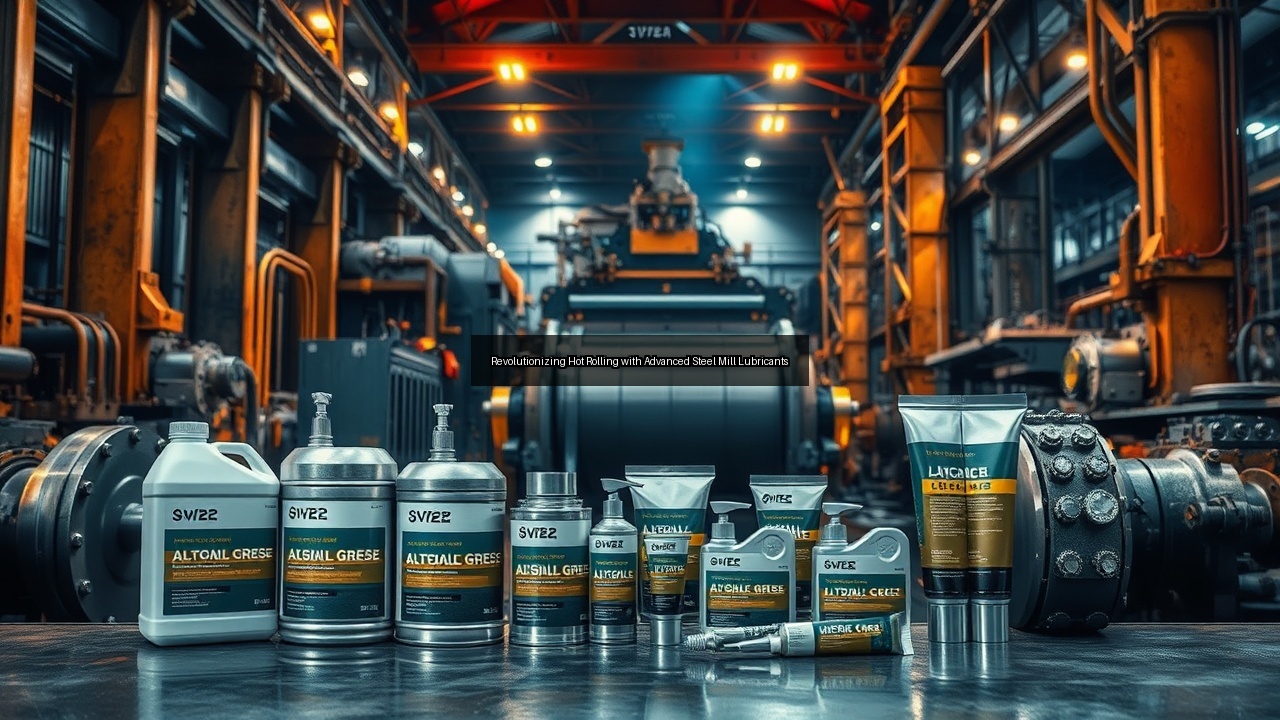
The Role of Lubricants in Hot Rolling Processes
Understanding Hot Rolling and Its Challenges
Hot rolling shapes heated steel slabs into sheets, bars, and tubes inside rolling mills at temperatures above 900 degrees Celsius. Steel plants face intense friction between rolls and metal, rapid tool wear, and surface defects that reduce product quality. Operators rely on steel mill lubricants to control these forces during reduction passes and continuous casting sequences. Without proper lubrication, scale buildup accelerates and energy consumption spikes. Steel production demands consistent film strength to protect equipment while maintaining precise dimensions across long production runs. Bearing lubrication points suffer extreme loads, and gear lube must resist thermal breakdown to keep mills running at full speed. Effective steel mill lubrication directly determines throughput rates and scrap levels in every shift.
Importance of Steel Mill Lubricants in Hot Rolling Efficiency
Advanced steel mill lubricants cut friction coefficients and extend roll life by forming stable boundary layers under heavy loads. Plants that optimize lubricant application report fewer unplanned stops and higher yields from each heat. Proper lubrication also improves heat transfer away from contact zones, reducing thermal cracking on work rolls. Steel mills achieve tighter tolerances and smoother finishes when metalworking fluids reach every critical interface. Operators monitor viscosity and additive packages to match specific steel grades and rolling speeds. This targeted approach boosts overall productivity while lowering energy draw per ton of finished steel. Reliable lubrication systems support continuous operation across multiple shifts without compromising surface integrity.
Types of Advanced Steel Mill Lubricants
Comparative Analysis of Oils and Greases
Oils deliver superior cooling and easy recirculation in high-speed hot rolling stands, while greases provide longer retention on bearings and slower-moving components. Industrial lubricant suppliers formulate both types with extreme-pressure additives tailored for steelworks environments. Oils flow quickly through centralized systems and carry away heat and debris, yet they require frequent replenishment. Greases stay in place longer, reducing consumption in areas with limited access. Steel plants evaluate base stock stability and thickener performance when selecting lubricating grease for gear boxes or backup rolls. Matching the right product to each application minimizes leakage and contamination risks. Operators track consumption data to balance performance gains against handling costs across the entire mill.
Innovative Metalworking Fluids for Steel Production
Next-generation metalworking fluids combine synthetic esters and nano-additives to withstand the severe conditions of hot rolling lines. These formulations reduce roll force requirements and improve strip surface quality in steel production. Engineers design fluids that resist oxidation at elevated temperatures while maintaining lubricity during tube bending and finishing operations. Steel mills test new products on pilot lines before full-scale adoption to confirm compatibility with existing filtration systems. Improved fluid life extends change intervals and cuts disposal volumes. Plants that adopt these innovations record measurable gains in rolling mill uptime and reduced wear on critical components. Consistent fluid management supports higher production targets without sacrificing equipment reliability.
The Evolution of Gear Lubricants in Steel Mills
Gear lubricants have advanced from basic mineral oils to high-performance synthetics that handle shock loads in rolling mill pinions and reducers. Modern gear lube incorporates solid additives that deposit protective layers during start-up and overload events common in steel plants. Manufacturers now offer products with extended drain intervals that lower maintenance frequency in continuous casting and hot rolling sections. Steel mills track temperature profiles and vibration data to select the optimal viscosity grade for each gearbox. These developments reduce downtime associated with gear failures and improve overall equipment effectiveness. Plants that upgraded their gear lubricants report smoother operation and extended service life for expensive drive components under demanding production schedules.
Enhancing Productivity and Reducing Costs
Impact of Lubrication on Manufacturing Processes
Optimized steel mill lubrication directly accelerates manufacturing throughput by allowing higher rolling speeds without quality loss. Reduced friction lowers motor loads and enables tighter scheduling of production campaigns. Steel plants that maintain clean lubricant circuits experience fewer surface imperfections and less rework. Effective bearing lubrication prevents premature failures that halt entire lines. Lubricant condition monitoring helps teams predict maintenance needs before breakdowns occur. This proactive strategy supports consistent output across multiple steel grades and product dimensions. Plants integrate lubrication data into overall equipment effectiveness calculations to identify further gains in productivity.
Cost-Benefit Analysis of Advanced Lubricants
Premium steel mill lubricants carry higher upfront costs yet deliver rapid payback through extended component life and lower energy use. Facilities calculate savings from reduced roll changes, decreased scrap rates, and fewer lubricant top-ups. Advanced products often cut total lubricant consumption by 15 to 25 percent while improving process stability. Steel mills compare these figures against baseline performance to justify investments in better formulations. Long-term tracking shows meaningful reductions in maintenance labor and spare parts inventory. The net effect strengthens margins even in competitive steel markets where cost control remains essential.
Case Studies: Success Stories from Steel Plants
One integrated steel plant switched to specialized hot rolling lubricants and recorded a 12 percent increase in roll campaign length along with notable drops in energy per ton. Another facility applied improved metalworking fluids during continuous casting transitions and cut surface defects by nearly 30 percent. Steel mills in both cases documented faster start-ups after roll changes and reduced bearing replacements. These outcomes translated into measurable productivity lifts and lower operating expenses across the production year. Teams shared best practices on application rates and monitoring techniques that sustained the gains. Such results encourage wider adoption of advanced lubrication strategies throughout the steel industry.
Environmental Considerations and Sustainability
Biodegradable Lubricants in Steel Industry
Biodegradable steel mill lubricants reduce environmental impact when leaks or spills reach water systems. Steel plants evaluate these products for performance parity with conventional options in hot rolling applications. New ester-based fluids maintain film strength at high temperatures while breaking down more readily after use. Facilities track regulatory compliance and disposal costs when transitioning to greener alternatives. Successful implementations demonstrate that sustainability goals align with operational demands in modern steel production. Operators balance biodegradability ratings against equipment protection requirements to maintain reliability standards.
Water Management and Its Impact on Lubrication
Steel mills consume large volumes of water for cooling and scale removal, and lubricant performance depends on clean water circuits. Contaminated water dilutes additives and promotes bacterial growth that shortens fluid life. Plants install advanced filtration and treatment systems to protect both water quality and lubricant integrity. Proper water management extends the service interval of metalworking fluids and reduces total consumption. Steel plants that optimize these systems report lower treatment expenses and fewer interruptions from fluid degradation. Integrated monitoring of water and lubricant parameters supports stable hot rolling operations while meeting environmental discharge limits.
Future Trends in Steel Mill Lubrication
Smart Lubrication Solutions: IoT and Automation
IoT sensors now track real-time lubricant condition, temperature, and flow rates across rolling mills. Automated systems adjust delivery volumes based on load and speed data, preventing both under- and over-lubrication. Steel plants use this information to schedule maintenance precisely and avoid unexpected stops. Cloud platforms aggregate data from multiple lines to identify patterns and optimize lubricant formulations over time. These technologies raise overall equipment effectiveness while lowering labor requirements for routine checks. Early adopters in the steel industry gain competitive edges through predictive rather than reactive lubrication management.
The Impact of Mini Mills on Lubricant Development
Mini mills operate compact rolling lines with frequent product changes, demanding versatile steel mill lubricants that perform across varied conditions. Suppliers develop multi-purpose fluids and greases that handle both hot rolling and downstream processing without extensive changeovers. Steel plants in this segment prioritize quick-cleanup formulations that minimize cross-contamination between grades. Lubricant manufacturers respond with products that support high flexibility and rapid start-ups typical of mini-mill schedules. These innovations help smaller facilities maintain high productivity while controlling costs in competitive markets. The trend drives ongoing refinement of additives suited to diverse steel production environments.
See Also
- The Hidden Role of Lubricating Grease in Steel Production
- Greasing the Wheels of Innovation in the Steel Industry
- Maximizing Productivity in Steel Mills Through Effective Lubrication
- The Impact of Metalworking Fluids on Steel Plant Performance
- Unlocking Efficiency with the Right Steel Mill Lubricants