Precision vs. Speed: Evaluating Machining Techniques for Iron Castings
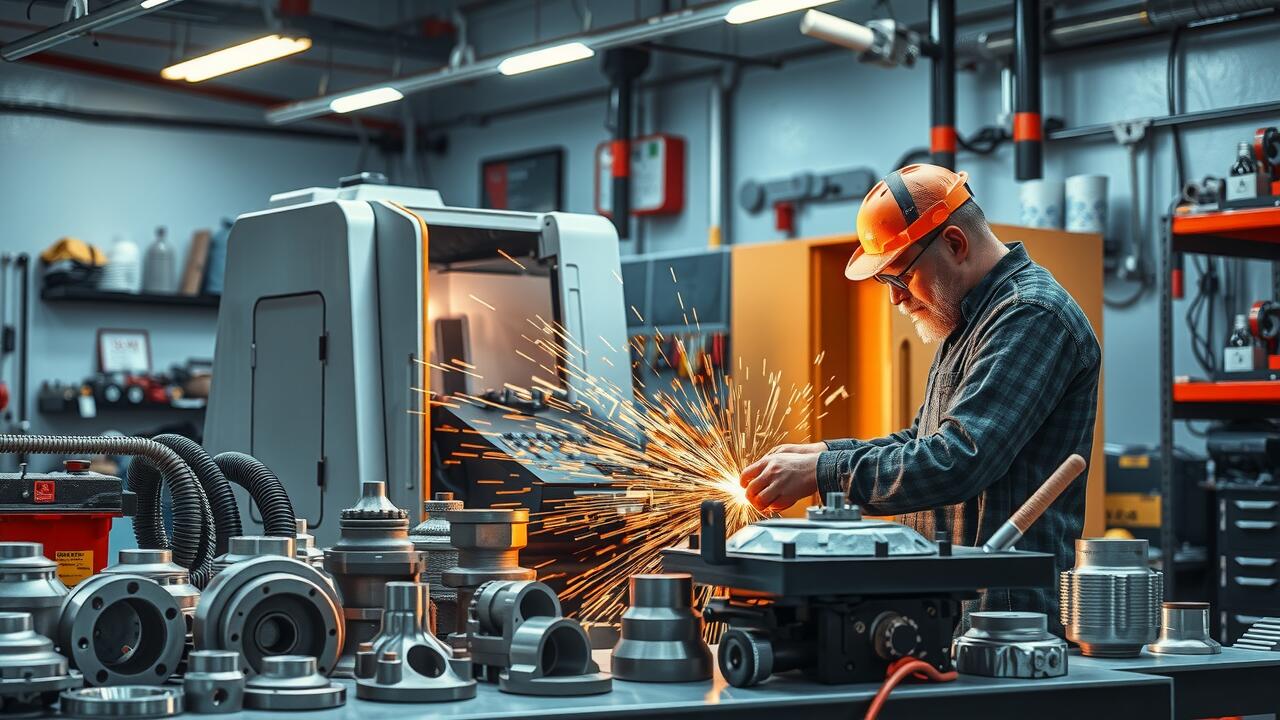
5 Key Strategies for Balancing Precision and Speed
Finding a balance between precision and speed in machining requires strategic planning and execution. One way to achieve this is by integrating advanced CNC machinery that allows for high-speed operations while maintaining tight tolerances. For instance, the use of machining centers that combine both milling and turning operations can dramatically reduce production time for OEM machined castings. Data shows that businesses that adopted this integrated approach saw a 30% increase in efficiency.
Another effective strategy involves periodic training for machine operators to enhance their skills. Skilled operators can swiftly identify and rectify issues, minimizing downtime and preserving quality. Regularly reviewing operational processes is also crucial. Take a factory that produces OEM cast components, for example; implementing lean manufacturing principles enabled them to cut lead times by 25% while upping quality control measures. A commitment to ongoing improvement creates a culture where precision and speed coexist harmoniously.
How Can You Implement These Strategies in Your Operations?
Implementing effective strategies to balance precision and speed in machining operations can feel challenging, but it’s absolutely doable. Start by analyzing your current workflow. Consider whether your cutting tools for producing OEM machined castings are suitable for the tasks at hand. Upgrading to high-performance carbide tools can improve both the precision and speed of machining processes, yielding parts that meet stringent tolerances while reducing cycle times. Moreover, integrating real-time monitoring systems can help identify bottlenecks quickly, allowing for immediate adjustments.
Specific training for your team is essential, too. Encourage operator involvement in the decision-making process regarding tools and techniques. A case study from a leading automotive supplier showed that after training their staff in advanced machining methods, they reduced production times by 15% while maintaining quality standards for their OEM cast components. Incorporating feedback from operators can lead to continuous improvement. Analyzing production data regularly fosters a culture of quality and efficiency, ultimately benefiting the bottom line.
Technology’s Impact on Machining Processes
Automation has transformed machining processes, making them not just faster but also more precise. Technologies like CNC machines and additive manufacturing have redefined what’s possible in producing OEM machined castings. For instance, a recent survey from the Association for Manufacturing Technology found that companies utilizing advanced CNC technology boosted their production efficiency by up to 30%. This leap in productivity doesn't just mean quicker turnaround times; it also leads to improved accuracy in dimensions, which is crucial for OEM cast components that require tight tolerances.
Integrating technology into machining operations goes beyond just installing new machinery. The effective use of software tools for scheduling and automated quality checks allows firms to maintain high standards while meeting deadlines. For example, implementing real-time monitoring software can yield some impressive results; manufacturers reported a 25% reduction in downtime, directly correlating with increased output capacity. Companies that prioritize technology adaptation can enhance operational workflows, driving innovation in sectors heavily reliant on precise and rapid production methods.
How Can Automation Improve Your Machining Outcomes?
Automation plays a pivotal role in enhancing machining outcomes, especially when dealing with OEM machined castings. For example, integrating CNC machines with automated loaders can reduce cycle times by up to 50%. This is not just about speed; it ensures that each component is produced with consistent precision. Manufacturers have turned to automated systems to minimize human error, which can compromise the quality of OEM cast components. With robots performing repetitive tasks, workers can focus on overseeing operations and addressing complex problems that arise, effectively shifting their skillsets to more value-added activities.
Moreover, automating data collection during machining processes allows for real-time adjustments, further improving efficiency. Companies that have implemented predictive maintenance strategies report a 30% reduction in equipment downtime. One notable case study involved a foundry that adopted automation in their assembly line, leading to a 20% increase in output while consistently meeting tight tolerances. By analyzing machine performance data continuously, operators can optimize settings based on operational trends, ensuring that even high-demand periods maintain quality and speed. Embracing these advancements creates a streamlined production environment where precision and efficiency go hand in hand.
Real-World Applications of Machining Techniques
In the automotive sector, precision machining plays a crucial role in ensuring the reliability and performance of cast components. Manufacturers of OEM cast components utilize advanced techniques to produce intricate designs that meet strict specifications. For instance, companies often leverage CNC machining alongside various tooling methods to create lightweight yet durable parts, significantly enhancing fuel efficiency and vehicle safety. This focus on precision has allowed organizations to achieve tolerances of just a few microns, which is vital for components like engine blocks and transmission housings.
Aerospace is another industry where machining techniques take center stage. The production of OEM machined castings must comply with stringent regulations and standards. Companies often employ additive manufacturing alongside traditional methods to produce complex geometries that would be impossible to achieve otherwise. For instance, using a combination of investment casting and CNC processes allows for the fabrication of components that withstand extreme temperatures and pressures, contributing to the overall safety and functionality of the aircraft. Emphasizing collaboration between design engineers and machinists streamlines production workflows, ultimately leading to reduced lead times and improved overall project outcomes.
What Industries Benefit Most from Precision Machining?
Industries like aerospace, automotive, and medical device manufacturing see significant benefits from precision machining. These sectors rely heavily on OEM machined castings, where tolerances of a few thousandths of an inch can make all the difference in performance and safety. For instance, aerospace components must adhere to strict regulations established by entities like the FAA, ensuring that every piece meets critical quality standards. In automotive applications, precision parts lead to improved engine performance and fuel efficiency, which translates directly into cost savings for manufacturers and consumers alike.
High-tech medical sectors demand precision too, often utilizing OEM cast components to create implants and surgical instruments. The precise fit of these components is crucial, not just for functionality, but also for patient safety and comfort. Companies in this field often invest in advanced CNC machines to achieve the intricate geometries required for their products. According to recent studies, precision machining in medical manufacturing not only improves outcomes but has also been linked to a 20% reduction in production waste, making it a smart choice for both quality and efficiency.
Cost Implications of Precision vs. Speed
Balancing precision and speed in machining has direct cost implications. For instance, a study from the National Institute of Standards and Technology indicates that moving to a high-precision machining process can increase production costs by as much as 20%. When working with OEM machined castings, manufacturers often face trade-offs between delivering high-volume orders and maintaining intricate details necessary for product integrity. An example can be seen in automotive parts production, where slight inaccuracies can lead to increased material waste or rework, driving costs even higher.
On the flip side, prioritizing speed might seem financially advantageous in the short term. However, it can result in longer-term expenses due to subpar quality. For instance, a foundry that decided to increase throughput at the expense of precision saw a 30% rise in labor costs from product recalls and customer dissatisfaction. Hence, it's crucial to evaluate the full spectrum of costs—ranging from initial production expenses to potential quality fallout—when deciding how to balance these two key aspects in the machining of OEM cast components. Adopting lean manufacturing principles can offer a structured approach to achieve this balance, ensuring both cost efficiency and product excellence.
How Can You Optimize Costs While Maintaining Quality?
Focusing on cost-efficiency while ensuring high quality often means leveraging advanced technologies and materials. For instance, when working with OEM cast components, selecting the right grade of iron not only optimizes durability but can also reduce machining time. A case study involving a company that switched from conventional steel to a high-strength alloy showed a decrease in production time by 15% and a cost saving of about 12% through longer tool life and fewer replacements. Implementing predictive maintenance schedules can further minimize downtime, keeping production lines running smoothly while maintaining stringent quality checks.
Training your staff to understand the intricacies of these processes is equally crucial. When operators grasp the nuances of machining OEM machined castings, they can identify inefficiencies and suggest improvements that enhance productivity without sacrificing quality. A notable example is a manufacturer that implemented a continuous improvement program, leading to a 20% reduction in waste over six months while increasing product precision. Establishing standardized operating procedures and fostering a culture of quality awareness encourages everyone to take ownership of their work, contributing to overall cost optimization.
FAQS
What is the main difference between precision and speed in machining techniques?
Precision focuses on the accuracy and quality of the machining process, ensuring that the final product meets exact specifications, while speed emphasizes how quickly those products can be made, sometimes at the cost of precision.
Why is it important to balance precision and speed in machining?
Balancing precision and speed is crucial because it allows manufacturers to meet customer demands for high-quality products without compromising on delivery times, ultimately leading to better customer satisfaction and increased competitiveness.
How can I implement the strategies for balancing precision and speed in my operations?
You can start by assessing your current processes, investing in better tooling and technology, training your workforce, and continuously analyzing performance metrics to identify areas for improvement.
What role does automation play in improving machining outcomes?
Automation can enhance machining outcomes by increasing production speed, reducing human error, and ensuring consistent quality, which can lead to greater efficiency and lower operational costs.
Which industries see the most benefits from precision machining techniques?
Industries such as aerospace, automotive, medical devices, and defense benefit significantly from precision machining due to their need for high-quality, intricate components that meet strict regulatory standards.