State of the Art CNC Technologies Revolutionizing North Carolina
Overview of CNC Machining in North Carolina
The Growth of CNC Machine Shops in North Carolina
North Carolina has emerged as a significant player in the world of CNC machining. The state boasts a robust network of CNC machine shops that cater to various industries, including aerospace, automotive, and medical devices. The growth of these shops stems from the increasing demand for precision parts and components that CNC machines can deliver. This rise reflects a broader trend in manufacturing, where the quest for efficiency and accuracy drives technological advancements.
Several factors contribute to the flourishing CNC machining landscape in North Carolina. First, the state's strategic location offers easy access to major markets along the East Coast, facilitating logistics and supply chain efficiencies. Additionally, a skilled workforce, supported by local educational institutions, provides the necessary expertise to operate advanced CNC machines. Companies in North Carolina leverage this talent pool to enhance their production capabilities, making them competitive on both national and international stages.
Moreover, local governments have recognized the importance of CNC machining to the economy and have implemented initiatives to support industry growth. Grants, training programs, and tax incentives specifically target companies involved in CNC machining, encouraging investment in state-of-the-art equipment and technologies. As a result, the landscape continues to evolve, with new CNC machine shops opening and existing ones expanding their capabilities to meet rising demands.
Key Regions for CNC Machining: Raleigh and Concord
Raleigh and Concord stand out as key hubs for CNC machining in North Carolina. Raleigh, the state capital, is home to a thriving tech scene and numerous manufacturing firms. The city's proximity to research institutions and universities fosters innovation and collaboration, enhancing the local CNC machining ecosystem. Many CNC machinists in Raleigh specialize in high-tech applications, producing intricate parts for industries like biotechnology and aerospace.
Concord, on the other hand, showcases a different facet of the CNC machining landscape. This city, located just northeast of Charlotte, has developed a reputation for precision metal fabrication. Several CNC machine shops in Concord focus on producing high-quality components for the automotive sector, which is a driving force in North Carolina's economy. The competitive environment in Concord encourages continuous improvement and the adoption of the latest CNC technologies, ensuring that local businesses remain at the forefront of the industry.
Both Raleigh and Concord benefit from strong community ties and industry associations that facilitate networking and knowledge sharing. Events, workshops, and training sessions hosted by these organizations help CNC machinists enhance their skills and stay updated on industry trends. This collaborative spirit fuels the growth of CNC machining in North Carolina, making it a vibrant and dynamic sector.
Innovations in CNC Technologies
State-of-the-Art CNC Machines and Their Applications
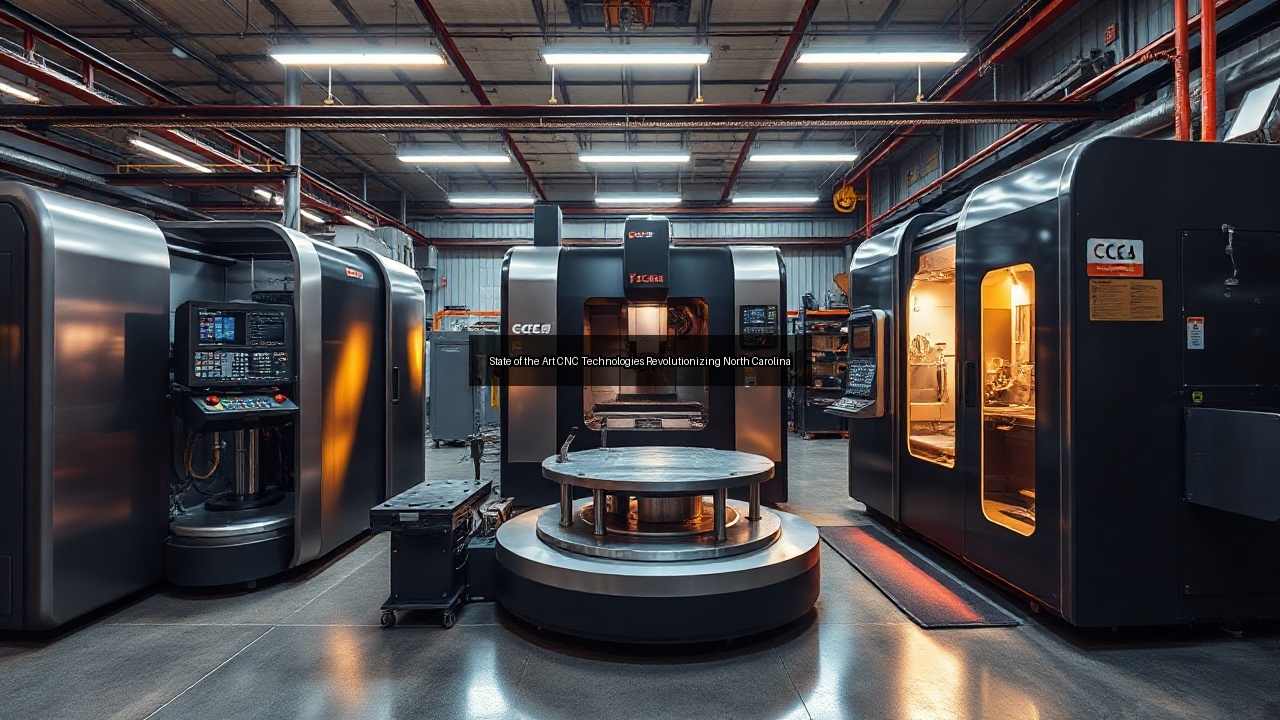
State-of-the-art CNC machines have revolutionized how manufacturers operate in North Carolina. These advanced machines offer unparalleled precision, speed, and versatility, enabling CNC machine shops to tackle complex projects with ease. Modern CNC machines come equipped with features such as multi-axis capabilities and high-speed spindles, allowing for efficient machining of intricate designs and geometries.
Applications of these cutting-edge CNC machines span various industries. In the aerospace sector, for instance, manufacturers utilize CNC milling and turning to create lightweight components that meet stringent safety standards. Medical device manufacturers in North Carolina benefit from the precision of CNC machines, producing parts that require tight tolerances to ensure proper functionality. The automotive industry also relies heavily on CNC technologies for prototyping and mass production of components, driving innovation and efficiency.
The integration of software and automation further enhances the capabilities of CNC machines. Advanced programming tools enable machinists to simulate machining processes, minimizing errors and maximizing productivity. Automation technologies, such as robotic arms, streamline operations, allowing for unattended machining and increased production rates. As these innovations continue to evolve, CNC machining in North Carolina will become even more efficient and responsive to market demands.
Advancements in CNC Milling and Turning Techniques
Recent advancements in CNC milling and turning techniques have significantly impacted the manufacturing landscape in North Carolina. CNC milling, known for its ability to create complex shapes and features, has seen improvements in tool design and machining strategies. New cutting tools made from advanced materials enhance durability, reduce wear, and improve surface finishes, leading north carolina cnc machining to better-quality products.
CNC turning techniques have also benefited from technological advancements. The introduction of live tooling allows for milling operations to occur on a CNC lathe, expanding the range of machining capabilities available to manufacturers. This integration reduces production times and costs while maintaining high precision. CNC lathe machining has become an indispensable tool for creating cylindrical components, particularly in industries requiring high-volume production.
Furthermore, the use of adaptive machining techniques enables CNC machines to adjust their parameters in real-time based on feedback from sensors. This adaptive approach enhances machining accuracy and reduces the risk of defects, ensuring that manufacturers can meet the rigorous standards of industries like aerospace and medical devices. As CNC machining technology continues to evolve, these advancements will play a crucial role in shaping the future of fabrication in North Carolina.
The Role of CNC Machinists in Modern Fabrication
CNC machinists play a pivotal role in the world of modern fabrication, particularly in North Carolina. While state-of-the-art machines drive efficiency and precision, skilled machinists are essential for maximizing their capabilities. These professionals bring a wealth of knowledge and expertise, ensuring that CNC machines operate at optimal levels and produce high-quality components. Their understanding of machining processes, materials, and tolerances allows them to troubleshoot issues and make adjustments as needed.
Training and continuous education are critical for CNC machinists in North Carolina. With the rapid pace of technological advancements, machinists must stay current on the latest techniques and software. Local training programs and workshops provide opportunities for machinists to enhance their skills and learn about emerging technologies, such as additive manufacturing and advanced programming methods.
The collaborative nature of CNC machining encourages machinists to work closely with engineers and designers. This teamwork helps bridge the gap between design and production, ensuring that products meet specifications and industry standards. As the demand for precision manufacturing continues to grow, the role of CNC machinists will only become more significant, solidifying their position as the backbone of the industry NC cnc milling in North Carolina. NC cnc milling
Materials and Capabilities in CNC Machining
Working with Alloys: Titanium and Beyond
CNC machining in North Carolina extends its capabilities to a wide range of materials, including advanced alloys like titanium. Titanium is renowned for its high strength-to-weight ratio and corrosion resistance, making it essential in industries such as aerospace and medical fabrication. Machining titanium presents unique challenges due to its abrasive properties and the need for precise tolerances, but skilled CNC machinists in North Carolina have mastered these techniques.
Beyond titanium, CNC machine shops in the state work with various other alloys, including aluminum, stainless steel, and exotic materials. Each material requires specific machining strategies and tooling to achieve desired results. For example, machining aluminum calls for different speeds and feeds compared to harder materials like stainless steel. Knowledge of these nuances sets North Carolina CNC machinists apart, allowing them to deliver high-quality components that meet the diverse needs of their clients.
Furthermore, advancements in tooling technology have enabled machinists to work with increasingly complex materials. Coating technologies, such as titanium nitride (TiN), enhance tool life and performance, making it easier to machine difficult materials. As industries demand more innovative solutions and high-performance components, the ability to work with a wide range of alloys will continue to be a defining feature of CNC machining in North Carolina.
Precision Tolerance in CNC Machining
Precision tolerance stands at the forefront of CNC machining, especially in North Carolina, where industries demand the highest quality standards. Tolerance refers to the permissible limit of variation in a physical dimension, and achieving tight tolerances is critical for ensuring that machined parts fit and function correctly. This requirement is particularly vital in sectors like aerospace, automotive, and medical, where even minor deviations can lead to significant consequences.
CNC machines excel at maintaining precision due to their automated nature and advanced programming capabilities. Machinists leverage sophisticated software to define tolerances and monitor machining processes, ensuring that each component meets specific criteria. The ability to achieve tolerances in the range of micrometers is a testament to the capabilities of modern CNC machining technologies.
To further enhance precision, North Carolina CNC machine shops invest in high-quality measuring equipment. Coordinate measuring machines (CMMs) and laser measuring devices allow machinists to verify dimensions and ensure compliance with stringent quality standards. This commitment to precision not only enhances product quality but also builds trust with clients across various industries.
The Future of CNC Machining in North Carolina
Emerging Trends in CNC Lathe Machining
The future of CNC machining in North Carolina looks promising, particularly with emerging trends in CNC lathe machining. As industries evolve, the demand for more complex and precise components continues to rise, prompting advancements in lathe technology. New CNC lathes equipped with enhanced automation and multi-tasking capabilities allow for more efficient production processes.
One significant trend is the integration of Industry 4.0 principles into CNC lathe machining. This approach emphasizes connectivity, data exchange, and automation. Smart factory concepts enable real-time monitoring and predictive maintenance, ensuring that machines operate at peak performance while minimizing downtime. North Carolina CNC machine shops that adopt these technologies position themselves to respond quickly to market demands and production challenges.
Moreover, the rise of hybrid machining technologies, which combine additive and subtractive processes, is gaining traction. This innovation allows machinists to create complex geometries and lightweight components by incorporating additive techniques within traditional CNC lathe operations. As these trends continue to develop, CNC lathe machining will play an increasingly vital role in shaping the manufacturing landscape in North Carolina.
The Impact of CNC Technologies on Local Industries
CNC technologies significantly impact local industries in North Carolina, driving efficiency and innovation across various sectors. The ability to produce high-quality components quickly and accurately allows manufacturers to respond to market demands and maintain competitiveness. Industries that rely on CNC machining, including aerospace, automotive, and medical device manufacturing, benefit from the precision and reliability that advanced CNC machines provide.
Furthermore, the integration of CNC technologies enhances collaboration between manufacturers and suppliers. With streamlined processes and improved communication, companies can work together more effectively, reducing lead times and improving overall production flow. This synergy fosters innovation, enabling local industries to develop cutting-edge products that meet consumer needs.
As CNC machining in North Carolina continues to evolve, its impact will extend beyond individual companies. The growth of CNC machine shops contributes to job creation and economic development in the state. Skilled CNC machinists are in high demand, leading to educational and training opportunities that support the workforce. This cycle of innovation, collaboration, and workforce development positions North Carolina as a leader in the CNC machining industry.
See Also
- From Titanium to Alloys The Versatility of CNC Machining in NC
- Understanding Tolerance in CNC Machining Practices Across NC
- The Role of CNC Machines in North Carolina's Manufacturing Evolution
- Top CNC Machining Services to Consider in North Carolina
- Raleigh’s CNC Machining Scene What You Need to Know