Natural vs Synthetic Rubber in the Pulp and Paper Production Line
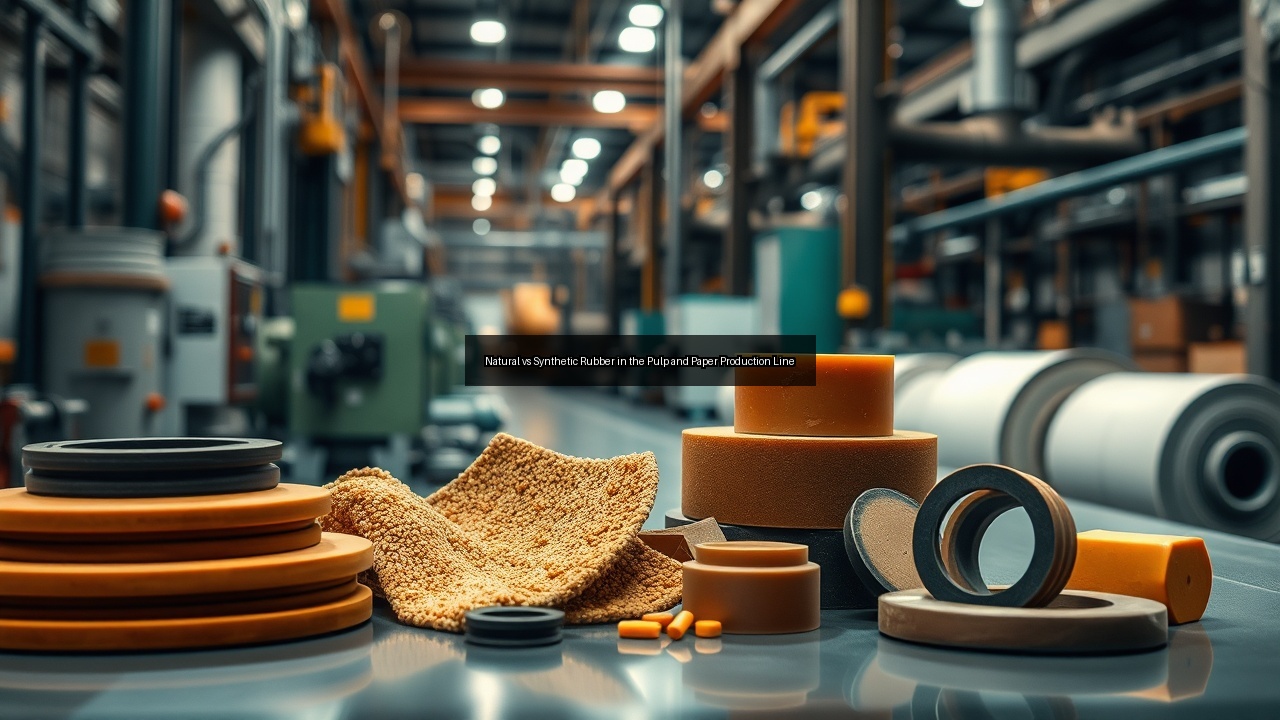
Understanding Rubber Types Used in the Pulp and Paper Industry
Overview of Natural Rubber
Natural rubber, harvested from the sap of rubber trees, is a staple in various industries, including the pulp and paper sector. This organic material boasts impressive elasticity and resilience, making it a preferred choice for applications requiring flexibility and durability. The inherent properties of natural rubber, such as excellent tensile strength and abrasion resistance, contribute significantly to the performance of rubber products for the pulp and paper industry. Additionally, natural rubber exhibits superior adhesion qualities, which enhance the efficiency of gaskets and seals in machinery. Its biodegradability also aligns with growing environmental standards, encouraging a shift towards sustainable practices in rubber use.
Characteristics of Synthetic Rubber
Synthetic rubber, engineered through polymerization processes, offers distinct advantages over its natural counterpart. Types like styrene-butadiene rubber (SBR) and ethylene propylene diene monomer rubber (EPDM) are prevalent in the pulp and paper industry. Synthetic rubber can be tailored for specific applications, allowing manufacturers to produce materials that meet precise performance criteria. For instance, EPDM showcases excellent resistance to heat, ozone, and chemicals, making it ideal for harsh operating conditions in pulp and paper machinery. Synthetic rubber also offers uniformity in quality and properties, ensuring consistent performance across various applications. This versatility allows for greater customization in rubber products designed for the pulp and paper sector.
Comparative Analysis: Natural vs Synthetic Rubber
The choice between natural and synthetic rubber depends on specific application requirements and environmental considerations. Natural rubber offers superior elasticity and performance under stress, while synthetic rubber provides enhanced chemical resistance and customization options. In the pulp and paper industry, the selection often hinges on the operating environment and the specific machinery involved. For example, natural rubber might be favored for applications requiring high elasticity, such as stoppers, whereas synthetic alternatives like EPDM may be better suited for seals exposed to harsh chemicals. Understanding these distinctions allows manufacturers to optimize their rubber products for maximum efficiency and longevity, ultimately benefiting the production line.
Applications of Rubber Products in Pulp and Paper Production
Role of Rubber Stoppers and Gaskets
Rubber stoppers and gaskets play a vital role in maintaining the integrity of equipment in the pulp and paper industry. These components ensure airtight seals in machinery, preventing leaks that could compromise production efficiency. Stoppers made from natural or synthetic rubber help control the flow of materials in various processes, such as pulping and pressing. Gaskets, on the other hand, serve as seals between different machinery parts, offering protection against external contaminants. The right rubber formulation is crucial for these applications, as it determines the longevity and effectiveness of the seals under varying temperature and pressure conditions. Choosing high-quality rubber products for these applications enhances machinery performance and minimizes downtime.
Importance of Rubber in Vacuum Systems
Vacuum systems are integral to many processes in the pulp and paper industry, and rubber components are essential to their functionality. Rubber gaskets and seals maintain the vacuum pressure necessary for efficient operation, ensuring that moisture is effectively removed from pulp during processing. The selection of the right rubber material is critical, as it must withstand the specific pressures and temperatures associated with vacuum systems. EPDM rubber, known for its resistance to ozone and weathering, is often employed in these applications due to its excellent sealing properties. Reliable vacuum systems contribute to improved product quality and operational efficiency, underscoring the importance of quality rubber products in the pulp and paper production line.
Use of EPDM in Pulp and Paper Machinery
EPDM rubber has carved out a significant niche in the pulp and paper industry due to its unique properties. Its resistance to heat, steam, and various chemicals makes it an ideal choice for machinery exposed to harsh operational conditions. EPDM gaskets and seals ensure that equipment maintains optimal performance while reducing the risk of leaks and breakdowns. In addition, EPDM's durability translates to longer lifespans for rubber products, decreasing the frequency of replacements and maintenance. The versatility of EPDM allows manufacturers to tailor it for specific machinery applications, enhancing overall productivity. As the pulp and paper industry continues to evolve, the use of EPDM rubber products remains a key factor in achieving operational excellence.
Chemical Considerations in Rubber Products
Impact of Chemicals on Rubber Durability
Rubber products in the pulp and paper industry often encounter various chemicals, including acids, solvents, and bleaching agents. These substances can significantly affect rubber durability, leading to premature failure if not properly accounted for. Natural rubber, while elastic, may degrade when exposed to certain chemicals, necessitating careful selection of rubber compounds. In contrast, synthetic rubbers like EPDM offer superior chemical resistance, making them ideal for applications in aggressive environments. Understanding the chemical compatibility of rubber materials is crucial for maintaining equipment integrity and ensuring long-lasting performance. Manufacturers must conduct thorough assessments to identify suitable rubber products that can withstand specific chemical exposures in the production process.
Choosing the Right Rubber for Specific Applications
Selecting the appropriate rubber material for specific applications in the pulp and paper industry demands a comprehensive understanding of performance requirements. Factors such as temperature, pressure, and chemical exposure influence the choice between natural and synthetic rubber. For instance, applications involving high temperatures or aggressive chemicals may necessitate the use of EPDM or other synthetic alternatives. Conversely, applications that prioritize elasticity and resilience, such as rubber stoppers, might benefit from natural rubber. Collaborating with rubber manufacturers to assess the specific needs of machinery and processes ensures that the right products are chosen, thereby enhancing performance and reducing maintenance costs.
Environmental Considerations and Sustainability in Rubber Use
Environmental sustainability has become a critical focus within the pulp and paper industry, influencing the choice of rubber products. Natural rubber, being biodegradable, aligns well with eco-friendly initiatives, promoting a shift towards sustainable practices. However, the production of natural rubber can also lead to deforestation and habitat loss if not managed responsibly. Synthetic rubbers, while often less environmentally friendly, present opportunities for innovation in sustainable alternatives. The development of bio-based synthetic rubbers and recycled rubber products is gaining traction, offering a balanced approach to sustainability. By prioritizing environmentally responsible rubber choices, the pulp and paper industry can reduce its ecological footprint while maintaining operational efficiency.
Future Trends in Rubber Products for the Pulp and Paper Industry
Innovations in Rubber Composition
As the demand for more efficient and sustainable rubber products grows, innovations in rubber composition are emerging. Advances in materials science have paved the way for developing rubber compounds that enhance performance while minimizing environmental impact. For instance, incorporating bio-based feedstocks into synthetic rubber formulations can create products that perform similarly to traditional rubbers but with a reduced carbon footprint. Research into improved cross-linking techniques also allows for greater durability and resistance to wear and tear, which is essential for the demanding conditions in the pulp and paper industry. These innovations position manufacturers to meet rubber products for paper industry the evolving needs of the market while promoting sustainability.
Adoption of Sustainable Rubber Alternatives
The trend towards sustainability is driving the adoption of rubber alternatives that minimize environmental impact. As companies in the pulp and paper industry seek to reduce their carbon footprint, materials such as recycled rubber and bio-based synthetics are gaining popularity. These alternatives not only help conserve natural resources but also offer performance benefits comparable to traditional materials. By integrating sustainable rubber products into their operations, companies can enhance their eco-credentials while ensuring the reliability and efficiency of their machinery. The ongoing development of sustainable rubber solutions highlights the industry's commitment to reducing environmental harm without compromising operational effectiveness.
The Role of Technology in Enhancing Rubber Applications
Technological advancements significantly enhance the application of rubber products in the pulp and paper industry. Innovations in manufacturing processes, such as 3D printing and advanced polymerization techniques, allow for precise customization of rubber components. This capability ensures that products meet specific operational requirements, improving efficiency and performance. Moreover, technology facilitates better testing and quality control, ensuring that rubber products can withstand the rigors of pulp and paper production. As the industry continues to embrace technology, the potential for developing high-performance, sustainable rubber products will expand, ultimately benefiting manufacturers and the environment alike.
See Also
- Understanding the Role of Rubber in Pulp and Paper Equipment Maintenance
- Maximizing Efficiency with Vacuum Rubber Products in Paper Manufacturing
- Gaskets and Stoppers Essential for Optimal Pulp Production
- The Role of Natural Rubber in Enhancing Paper Manufacturing Processes
- Exploring the Lifecycle of Rubber in Pulp and Paper Operations