Maximizing Performance with High-Quality Spun Aluminum Products
Understanding Spun Aluminum and Its Advantages
What is Spun Aluminum?
Spun aluminum refers to a manufacturing technique where a disc of aluminum is spun at high speeds while being shaped into various forms. This method, known as metal spinning, creates seamless, uniform products with impressive strength and durability. The process involves clamping the aluminum disc onto a rotating spindle and applying pressure using a tool. This allows manufacturers to create a wide range of shapes, from simple cylinders to complex geometries, all while maintaining a high standard of quality. Spun aluminum products are increasingly popular due to their lightweight properties and adaptability in various applications, making them a preferred choice in industries ranging from aerospace to consumer goods.
Benefits of Using Spun Aluminum Products
Utilizing spun aluminum products offers numerous advantages. First and foremost, the lightweight nature of aluminum enhances efficiency and performance in various applications. This characteristic facilitates easier transportation and installation, lowering overall project costs. Additionally, spun aluminum displays remarkable strength-to-weight ratios, making it ideal for high-stress environments where durability is spun metal aluminum essential. The seamless nature of spun aluminum products minimizes the risk of leaks or failures, especially in applications like tanks and containers. Furthermore, the aesthetic appeal of spun aluminum, with its smooth finishes and potential for various coatings, adds value in consumer products and design innovations. Overall, spun aluminum stands out as a versatile, efficient, and cost-effective choice for manufacturers and consumers alike.
Comparison with Other Metals: Spun Aluminum vs. Copper and Steel
When comparing spun aluminum to other metals such as copper and steel, several factors come into play. Spun aluminum exhibits a lower density than both copper and steel, making it significantly lighter. This characteristic is crucial for industries where weight reduction can lead to improved performance and fuel efficiency. Additionally, aluminum offers excellent corrosion resistance, particularly when compared to steel, which can rust. While copper provides superior electrical conductivity, aluminum remains a popular choice for electrical applications due to its lower cost and weight. In terms of fabrication, spun aluminum products can be produced more quickly and at lower costs than their copper and steel counterparts, rendering them a practical option for manufacturers looking to maximize both performance and budget.
The Metal Spinning Process: From Concept to Creation
Overview of the Metal Spinning Process
The metal spinning process transforms flat aluminum discs into complex shapes through high-speed rotation and deformation. The first step involves placing a circular sheet of aluminum onto a spinning mandrel, which acts as a form. As the disc spins, a tool applies pressure to the surface, gradually shaping it into the desired form. This process allows for high precision and flexibility, enabling manufacturers to create everything from simple cylindrical components to intricate designs. The spinning process can be executed with various techniques, including manual and automated methods, depending on production needs and scale. Overall, metal spinning stands out for its efficiency, cost-effectiveness, and ability to produce high-quality components with minimal waste.
Materials Used in Spinning: Focus on Aluminum Alloys
Aluminum alloys play a crucial role in the metal spinning process, as they offer a balance of strength, weight, and workability. Commonly used alloys include 1100, which is highly malleable and ideal for intricate shapes, and 5052, known for its excellent corrosion resistance and weldability. Each alloy possesses unique characteristics, making them suitable for different applications. For instance, 6061 aluminum alloy, a popular choice in structural applications, provides enhanced strength and machinability. Selecting the right aluminum alloy is essential for achieving optimal performance and durability in spun aluminum products, ensuring that they meet the specific demands of their intended applications.
Key Techniques in Spin Forming
Spin forming employs several key techniques that enhance the efficiency and quality of the final product. One of the most important techniques is the use of hydraulic or mechanical presses to apply consistent pressure throughout the spinning process. This ensures uniform thickness and reduces the risk of defects. Additionally, the use of specialized tooling allows for better control over the shaping process, enabling manufacturers to create complex geometries with precision. Techniques such as multi-step spinning can also be employed, where the material is gradually shaped through several stages, allowing for more intricate designs and better material distribution. Mastering these techniques leads to high-quality spun aluminum products that meet the rigorous standards of various industries.
Applications of High-Quality Spun Aluminum Products
Industrial Applications: Tanks and Beyond
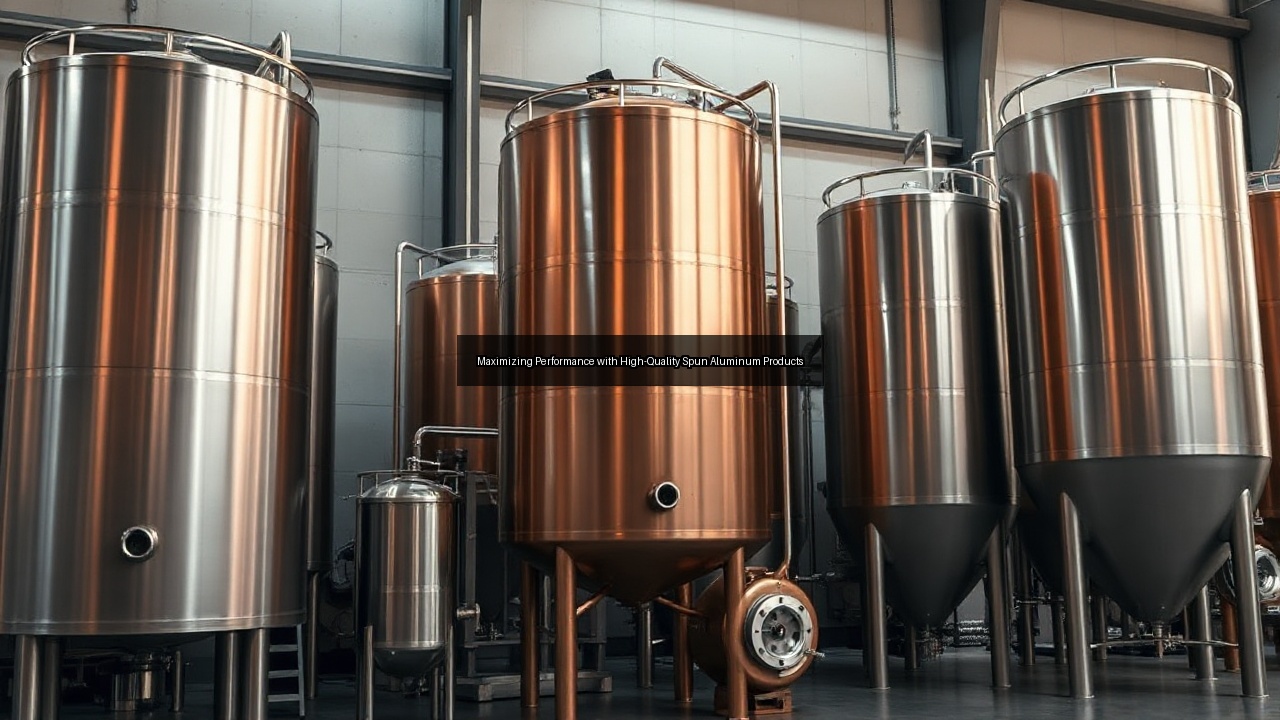
High-quality spun aluminum products find extensive use in industrial applications, particularly in the manufacturing of tanks and containers. The lightweight and corrosion-resistant nature of aluminum makes it ideal for storing chemicals, fuels, and other liquids. Spun aluminum tanks are often preferred due to their seamless construction, which minimizes the risk of leaks and enhances structural integrity. Beyond tanks, spun aluminum components are utilized in aerospace applications for parts like housings and fairings, where weight reduction is critical. Additionally, industries such as automotive and food processing benefit from spun aluminum’s versatility in creating high-performance components that meet strict safety and regulatory standards.
Consumer Products: Lightweight Design Innovations
In the realm of consumer products, spun aluminum has revolutionized design innovations. Its lightweight properties allow for the creation of sleek, modern designs that appeal to consumers seeking both functionality and aesthetics. Items such as cookware, lighting fixtures, and furniture components often utilize spun aluminum, capitalizing on its ability to be shaped into intricate forms while maintaining durability. The reflective surface of spun aluminum also enhances visual appeal, making it a popular choice in decorative items. As consumer preferences shift towards sustainable and lightweight materials, spun aluminum stands out as a material that meets these demands, leading to innovative products that resonate with modern lifestyles.
Custom Solutions: Tailoring Spun Aluminum for Specific Needs
Custom solutions in spun aluminum manufacturing allow businesses to meet specific project requirements effectively. Manufacturers can tailor the metal spinning process to create unique components that fit precise dimensions and specifications. This flexibility enables companies to innovate and design products that stand out in competitive markets. Customization can include adjusting the thickness of the aluminum, modifying shapes, or even incorporating branding elements directly into the product design. Such adaptability not only enhances product functionality but also fosters a collaborative environment where manufacturers and clients work together to achieve optimal results, ensuring that every spun aluminum product meets the highest standards of quality and performance.
Cost Considerations and Market Trends
Cost Analysis of Spun Aluminum vs. Other Metal Fabrication Techniques
Cost plays a pivotal role in selecting spun aluminum over other metal fabrication techniques. The efficient nature of the metal spinning process reduces material waste, leading to lower overall production costs. Compared to traditional methods such as metal stamping or machining, spun aluminum often requires less time and fewer resources. While initial costs may vary based on the complexity of the design and material choice, the long-term savings associated with reduced maintenance and enhanced durability make spun aluminum products an economically appealing option. A thorough cost analysis reveals that businesses can achieve high-quality results without compromising budgets, making spun aluminum an attractive investment for various industries.
Market Demand for Spun Aluminum Products
The market demand for spun aluminum products continues to grow as industries recognize their advantages. The trend towards lightweight materials in automotive, aerospace, and consumer goods drives the shift towards aluminum. Additionally, the increasing focus on sustainability and recycling encourages the use of aluminum, a material that is highly recyclable without loss of quality. As businesses seek innovative ways to enhance performance and reduce environmental impact, spun aluminum products fulfill these needs effectively. The versatility and adaptability of spun aluminum ensure its continued relevance in competitive markets, positioning it as a staple material for future developments.
Future Trends in Metal Spinning and Its Impact on Costs
Future trends in metal spinning indicate a shift towards automation and advanced manufacturing technologies. Incorporating automation into the spinning process enhances precision and reduces labor costs, making spun aluminum products even more cost-effective. Additionally, developments in aluminum alloys may lead to new applications, spinning aluminum alloy further expanding the market for spun aluminum. This evolution will likely result in competitive pricing structures as more manufacturers adopt these innovative techniques. As industries continue to prioritize lightweight, durable materials, the future of spun aluminum in metal spinning looks promising, solidifying its place as a leading choice for manufacturers and consumers alike.